






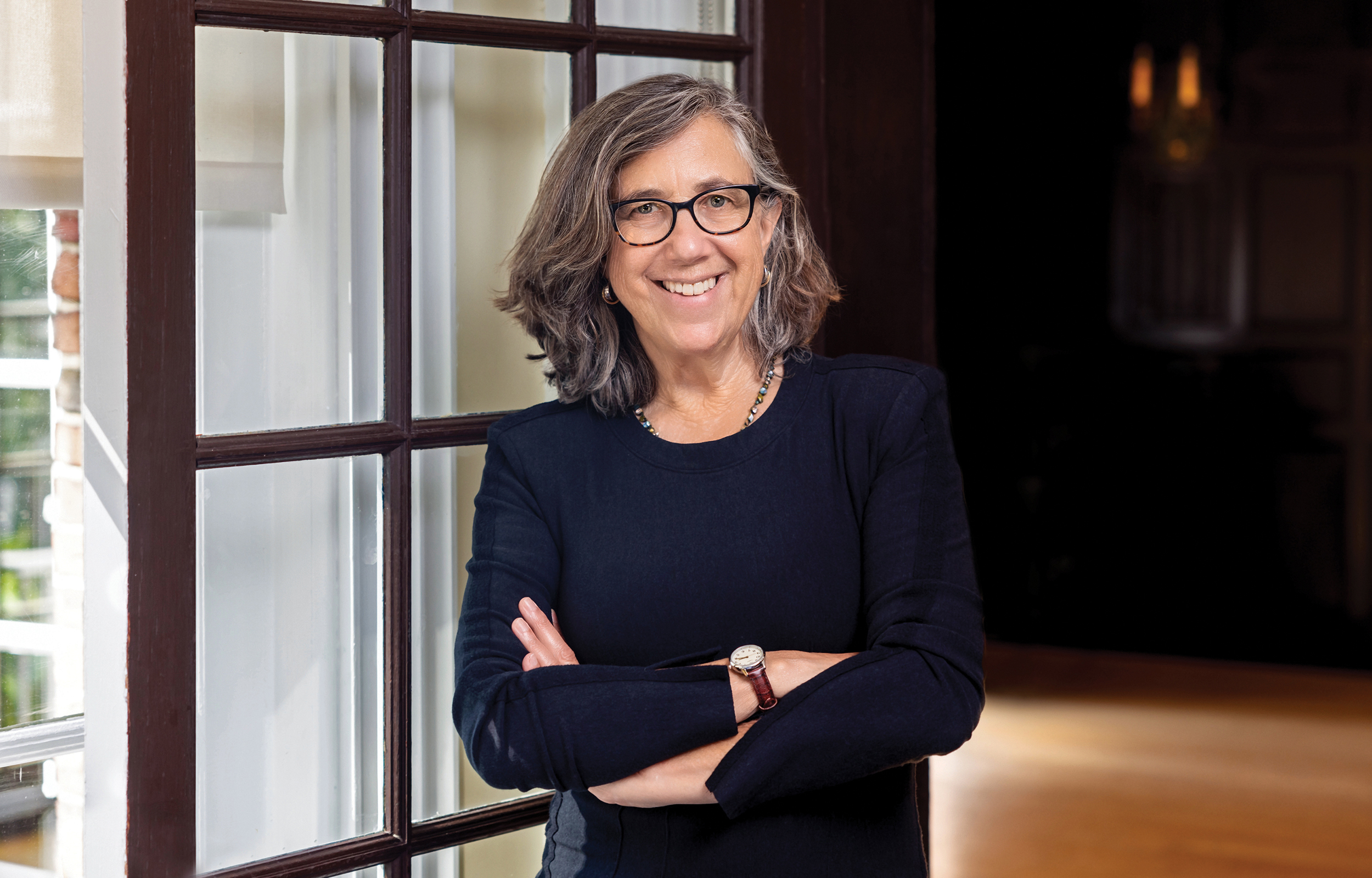
With her newly published book and a viral video on why the rich don’t pay taxes, BC Law Professor Ray Madoff exposes how wealth quietly removes itself from the US tax system and what must change to restore fairness.
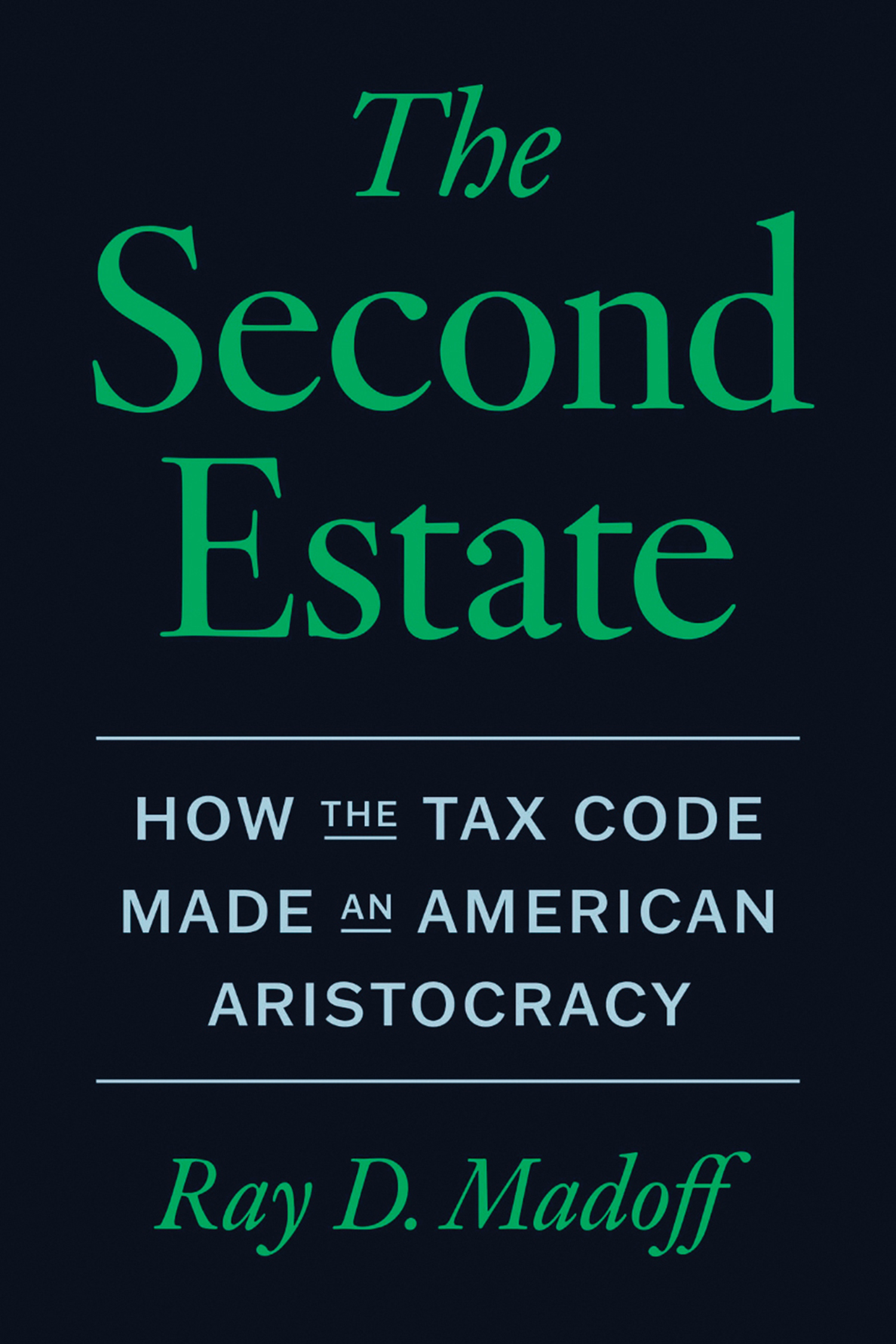
In The Second Estate: How the Tax Code Made an American Aristocracy, Madoff argues that the United States tax system no longer restrains concentrated wealth. Instead, she writes, it has gradually become a structure that allows the richest Americans to separate themselves from the tax obligations that most people cannot avoid. The book has attracted significant attention, including as a New Yorker Best Book of 2025, and Madoff’s ideas have reached an even broader audience through her appearance in the New Economic Thinking video “Why the Rich Don’t Pay Taxes.”
For Madoff, the central problem is not only that wealthy Americans pay comparatively little, but that the system has been engineered to let them opt out of taxation entirely. “The existence of these two different systems, one for people who earn money and one for people who own wealth, bears remarkable resemblance to prerevolutionary France,” Madoff notes. In that period, the aristocracy did not pay taxes, and the financial burden fell on everyone else. “That description captures perfectly what is happening in the United States today.”
Madoff explains how for much of the twentieth century, income taxes and estate taxes effectively limited the accumulation of dynastic wealth. Beginning in the 1980s, however, several developments created new pathways for wealth to grow without taxation.
One pivotal change came in 1982, when the Securities and Exchange Commission allowed companies to repurchase their own stock. Before that change, companies could only share profits by issuing dividends, which were previously taxed at the highest rate. Buybacks provided a way for companies to share profits by increasing stock prices, creating capital gains that remained untaxed until the stock was sold.
Most wealthy households do not need to sell their stock in order to live. They can borrow against it, which means the gains often go untaxed indefinitely. Inheritances tell a similar story. Once a central tool for taxing large fortunes, the estate tax has been weakened to the point that it now raises very little. “The estate tax has been so thoroughly delegitimized that both parties have allowed the tax to effectively die on the vine, to the point where it provides more cover than burden on the rich,” Madoff says.
The central problem is not only that wealthy Americans pay comparatively little, but that the system has been engineered to let them opt out of taxation entirely.
The contrast with the experience of ordinary workers is stark. A person who earns about $60K a year typically pays more than $13K dollars in income and payroll taxes. Those taxes directly affect a family’s monthly budget. “We often hear that the rich pay everything and millions of Americans pay nothing,” Madoff remarks. “But payroll taxes alone fund a large share of government revenue. The truth is very different from the talking points.”
Madoff’s longstanding work on philanthropy through her leadership of the Forum on Philanthropy and the Public Good also shapes her critique. Wealthy donors receive significant tax advantages, particularly when donating appreciated assets. Large sums then flow into private foundations and donor advised funds, where money can remain for long periods without reaching working charities. “The rules on the books can too easily be avoided and should be redesigned to advance public benefit,” Madoff says.
Despite the imbalances she documents, Madoff believes that meaningful reform is within reach. She argues for repealing the estate tax and bringing inheritances into the income tax system and for taxing investment gains not just when sold, but also when transferred by gift or at death, noting that, “everyone should be part of the same system…gains should be taxed at death, and inheritances should be taxed to the person who receives them.”
In her classroom, Madoff encourages students to see tax law as both understandable and revealing. “People believe tax is complicated, but with a little guidance you can see exactly what is happening,” she asserts. Her goal, both in her teaching and in The Second Estate, is to make that understanding widely accessible. “With a few reforms, we can build a much fairer and more functional system. These changes are completely achievable.”