








Social media is the defining infrastructure of modern life, and it is failing us. Platforms designed to maximize engagement have instead maximized division. Misinformation spreads faster than truth, catalyzed by predatory algorithms. Our children’s mental health deteriorates in plain sight. The hundreds of billions generated annually by only a few companies flow to private coffers (and often to failed misadventures such as $80 billion+ wasted on the metaverse).
At the same time, America’s research enterprise is being gutted. Billions in federal grants have been canceled. Labs are freezing hiring. Scientists are leaving the country. We are watching, in real time, a brain drain that will send America back to the stone ages.
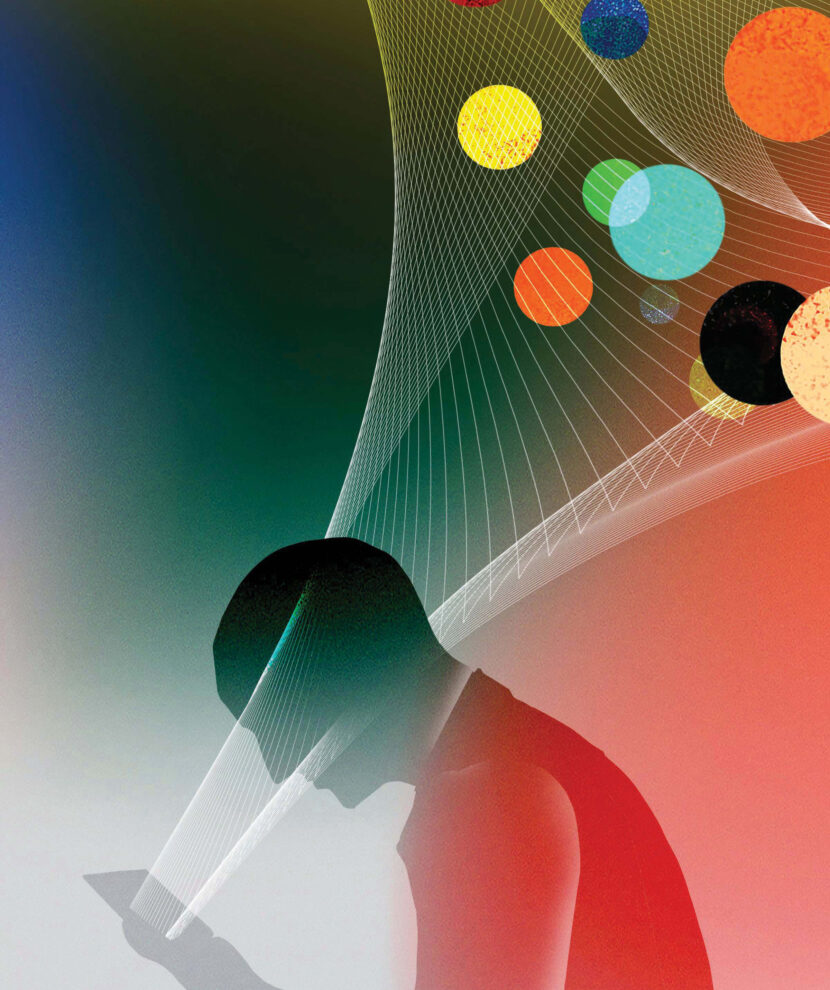
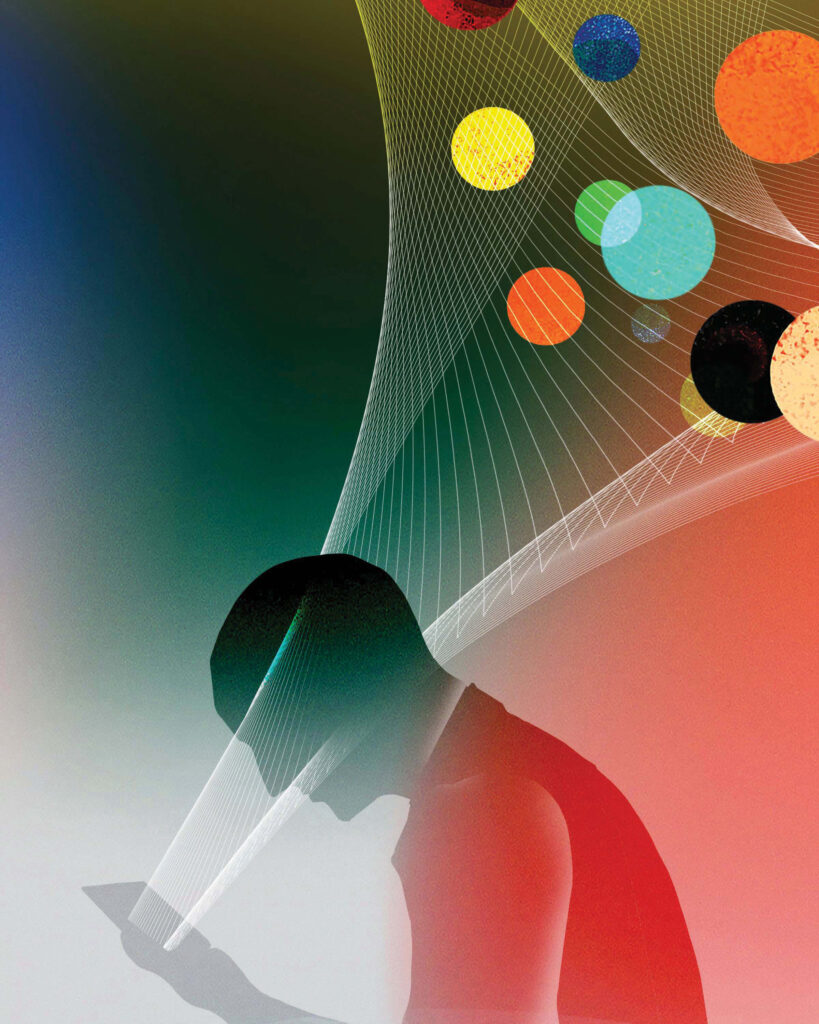
Americans need a research-based economy, and social media can re-empower it. Imagine a nonprofit social media platform where advertising and sponsorship revenue funds scientific research, charitable missions, and the public good. Users can directly participate in funding priorities and decisions; the platform evolves over time to build bridges instead of schisms. Grants are awarded with requirements like the Gates Foundation’s humanitarian license that reserves IP rights for the sponsor if companies sit on licensed rights or fail to help those in underserved areas. The system I envision creates rather than extracts.
The math is straightforward. Meta alone made over $160 billion in ad revenue for their 2024 fiscal year. The entire budget of the NIH, the largest public funder of biomedical research on Earth, is roughly $48 billion. We don’t need to match Meta. We need a fraction of that market to transform the research landscape. Even a modest platform generating a few billion in annual revenue could replace what federal cuts have destroyed, and then some.
Every dollar invested in NIH-funded research generates at least $2.56 in economic activity and supports an enormous ecosystem of well-paying, technically skilled positions: scientists, lab technicians, compliance officers, contract specialists, IT professionals, environmental health and safety workers, and administrative staff. In fiscal year 2024 alone, NIH funding supported more than 407,000 jobs and powered $94.58 billion in new economic activity across all 50 states. That ripple effect has exceeded $787 billion over the past decade.
This is the jobs program America needs. The manufacturing positions and offshored industries that dominate political rhetoric aren’t coming back. But research positions are here (for now!), they pay well, and they generate the intellectual property, products, and breakthroughs that drive economic growth for decades. More funding means more research, more jobs, more patents, more therapies, more technologies that improve lives and strengthen our competitive position globally.
China understands research. It has invested aggressively in R&D and is rapidly closing the innovation gap. America’s answer shouldn’t be to divest. America needs to double down on what made us the world’s innovation leader in the first place.
A nonprofit social media platform addresses a constellation of problems simultaneously: connecting people without exploiting them, rebuilding public trust in scientific institutions, preventing the brain drain of our best minds, creating a funding stream independent of political whim, and fostering collaboration among researchers so the wheel stops being reinvented in isolation.
Eric Jepeal believes that the attention economy can serve the common good. Together with journalist Tina Kelley, he is working to launch commonloop.org, a nonprofit media platform.